Copyright Legislation is in place to protect the original artist/s and his work, It has been in place in different formats since 1709, the current Act in use is the 1988 Copyright act. It is an Offence to use, distribute or alter an image without the consent from the original artist, However free use is applicable if you are using the image for personal use or education to name a few, It is always good practice to credit the original artist and seek their permission.
I have included 3 examples below to highlight copyright further…
Example 1 – Jonathan Mannion vs Coors
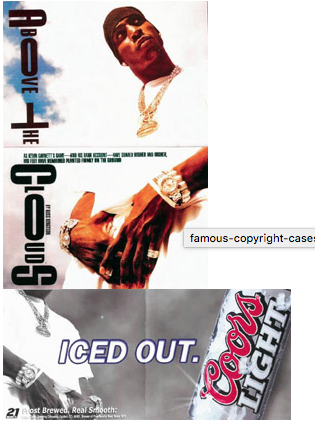
Jonathan Mannion was the photographer who captured an iconic image of basketball player Kevin Garnett for SLAM magazine. The beer brand Coors recreated it for an LA billboard advertisement, Crucially without Jonathan’s consent.
The Court ruled in favour of Jonathan, His victory was very significant. Copyright cases like these value the look and feel of a photo, and as Mannion said in a 2013, photographers now have a president when others change their images for commercial gain.
Example 2 -Photojournalist Daniel Morel vs Getty Images
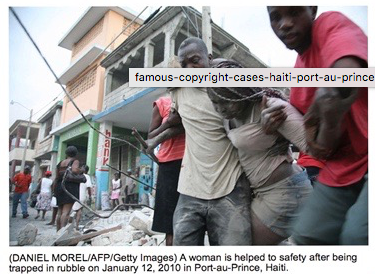
Daniel Morel was one of the first people to sue getty images as they took the image from his twitter account, ultimately breaching his copyright to the image.
Example 3 – John Maloof vs Vivian Maier
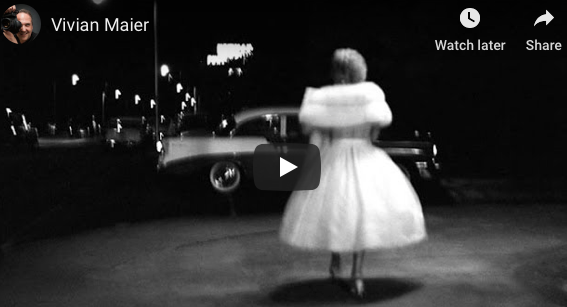
John Maloof acquired and published the unprocessed photos of late street photographer Vivian Maier. A lawyer and former photographer, David C. Deal, Represented Maiers closest living relative to fight for her right to copyright.
Example of Legal Issue involving Images – Dixie Plantation
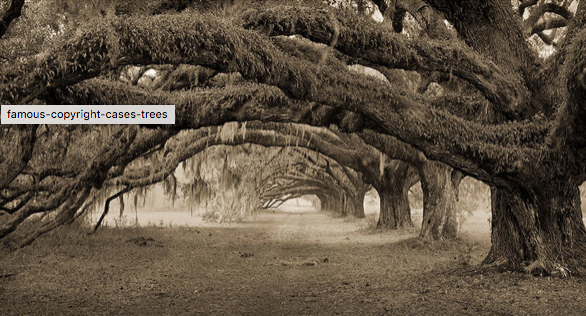
The owners of Dixie Plantation sued a photographer for trespassing onto their property to take a picture, which he then sold. The lawsuitsought an injunction that would prohibit further distribution of the photograph.
After the ruling by the court, trespass was the only surviving claim. The case was ultimately settled confidentially, but the photo notably remained for sale.
This U.S. court case is one of the most significant regarding trespassing for commercial photography. No question; Ham poked his camera where it didn’t belong, but the Charleston Foundation went a step further by claiming they had lost the “exclusivity of a unique image and representation found on Dixie Plantation”.
The court ruled that simply taking a photo of private property did not constitute a transfer of copyright. Rightfully so; at Pixsy we often come across infringers who think this is a valid excuse for stealing photos.
For me trespassing without permission and constant is a legal breach of copyright.

 Ed' Favourite Food